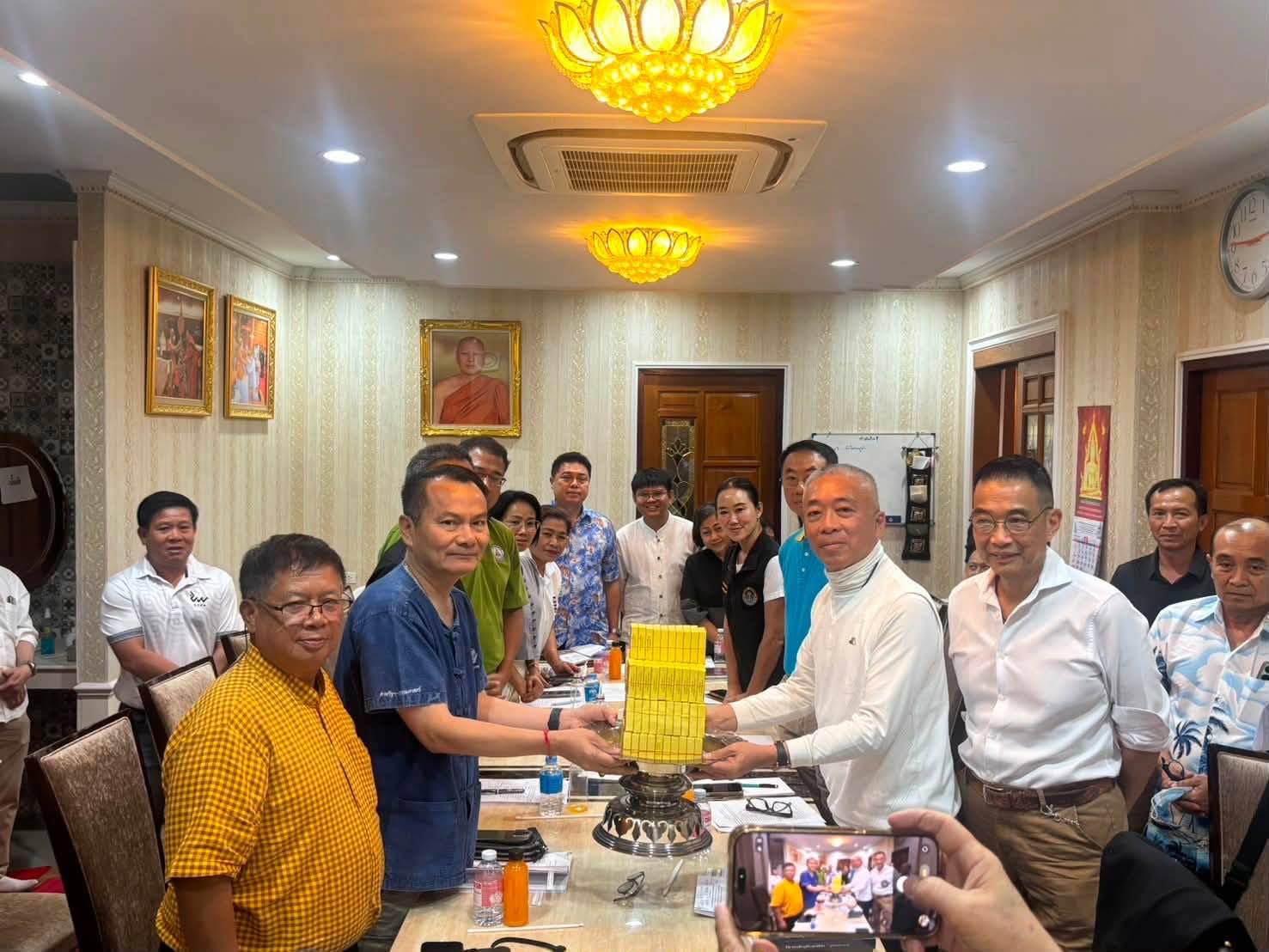
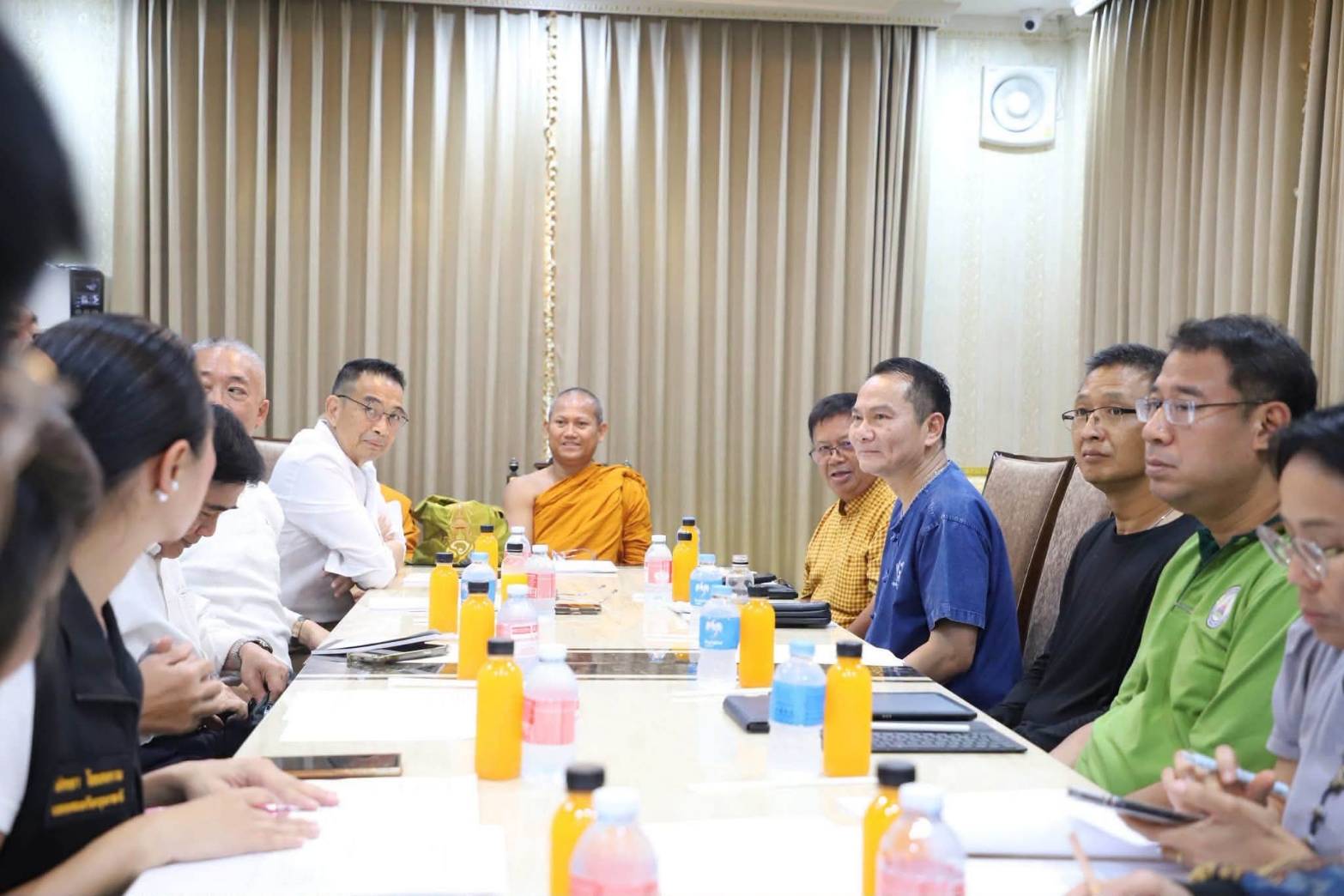
On April 18, 2026, a meeting was held to elevate Ubon Ratchathani province by integrating the annual Candle Festival 2026 with the concept of the World Meditation City. The meeting was chaired by Mr. Narong Thepsena, the Governor of Ubon Ratchathani. Attendees included Mr. Sarit Witoon, former Governor of Ubon Ratchathani; Venerable Phra Methivorayan, Deputy Ecclesiastical Regional Governor of Region 10 and Chairman of the Executive Board of Bodhigayavijjalaya 980 Institute; Dr. Supachai Verapuchong, Secretary-General of Bodhigayavijjalaya Institute; Mr. Maris Sangiampongsa and Mr. Kasem Moonjan, Deputy Secretary-Generals of Bodhigayavijjalaya Institute; and the Chairman of the Luang Pu Mun Bhuridatta 150th Anniversary Foundation of Ubon Ratchathani. Heads of government agencies, the private sector, and relevant organizations also participated in the meeting at Wat Maha Wanaram, a royal monastery (Wat Pa Yai), Nai Mueang Subdistrict, Mueang Ubon Ratchathani District, Ubon Ratchathani Province.
Adapting a proactive strategy both in the UN arena and targeting high-potential countries, this meeting systematically brainstormed ideas from various sectors. The strategic points derived from the meeting are as follows:
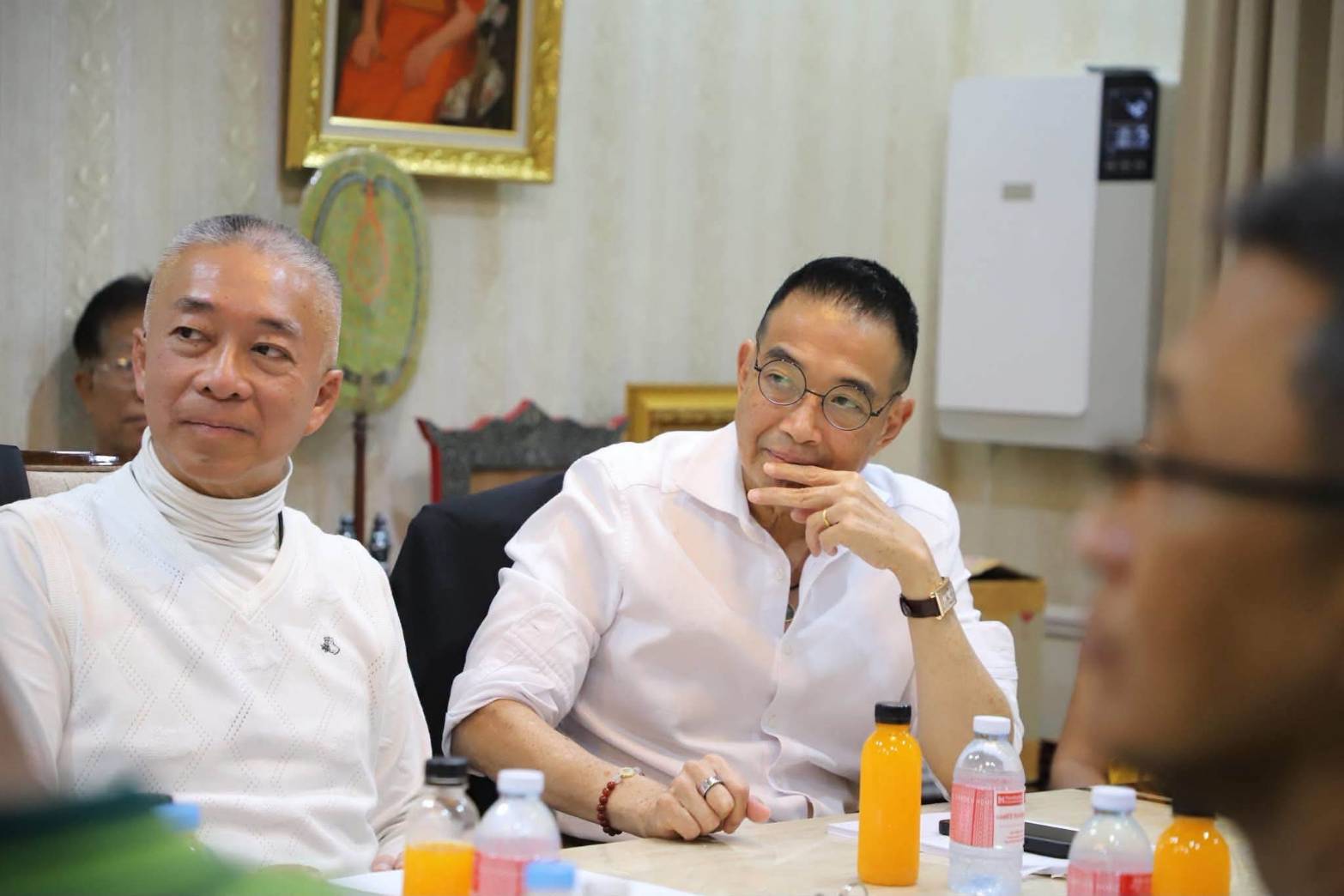
Dr. Supachai Verapuchong, Secretary-General of the Bodhigayavijjalaya 980 Institute, explained that the core significance of declaring World Meditation Day on December 21 is the goal of having the United Nations (UN Geneva) officially recognize Ubon Ratchathani as the World Meditation City in 2026. Prior to this, the Bangkok Declaration was promoted to register the word Dhamma and the principles of Metta (Loving-kindness), Karuna (Compassion), Mudita (Sympathetic Joy), and Upekkha (Equanimity) into the United Nations system for the first time, aiming to establish correct understanding at an international level.
Maris Sangiampongsa, Deputy Secretary-General of the Bodhigayavijjalaya Institute, proposed that Ubon Ratchathani elevate itself into the wellness tourism industry. This requires communication through global media networks such as CNN, BBC, and Al Jazeera to attract high-purchasing-power target groups, such as those from Scandinavia, Europe, and Japan. As a former Minister of Foreign Affairs, Mr. Maris also suggested inviting a diplomatic corps from 19 to 20 countries to participate in the province's activities. This would transform their status from mere spectators into policy-level brand ambassadors, creating added economic value and promoting cultural diplomacy. This approach aims to achieve regional and international sustainability by presenting the definition of Dhamma in a broader sense that transcends religion and offering compelling storytelling.
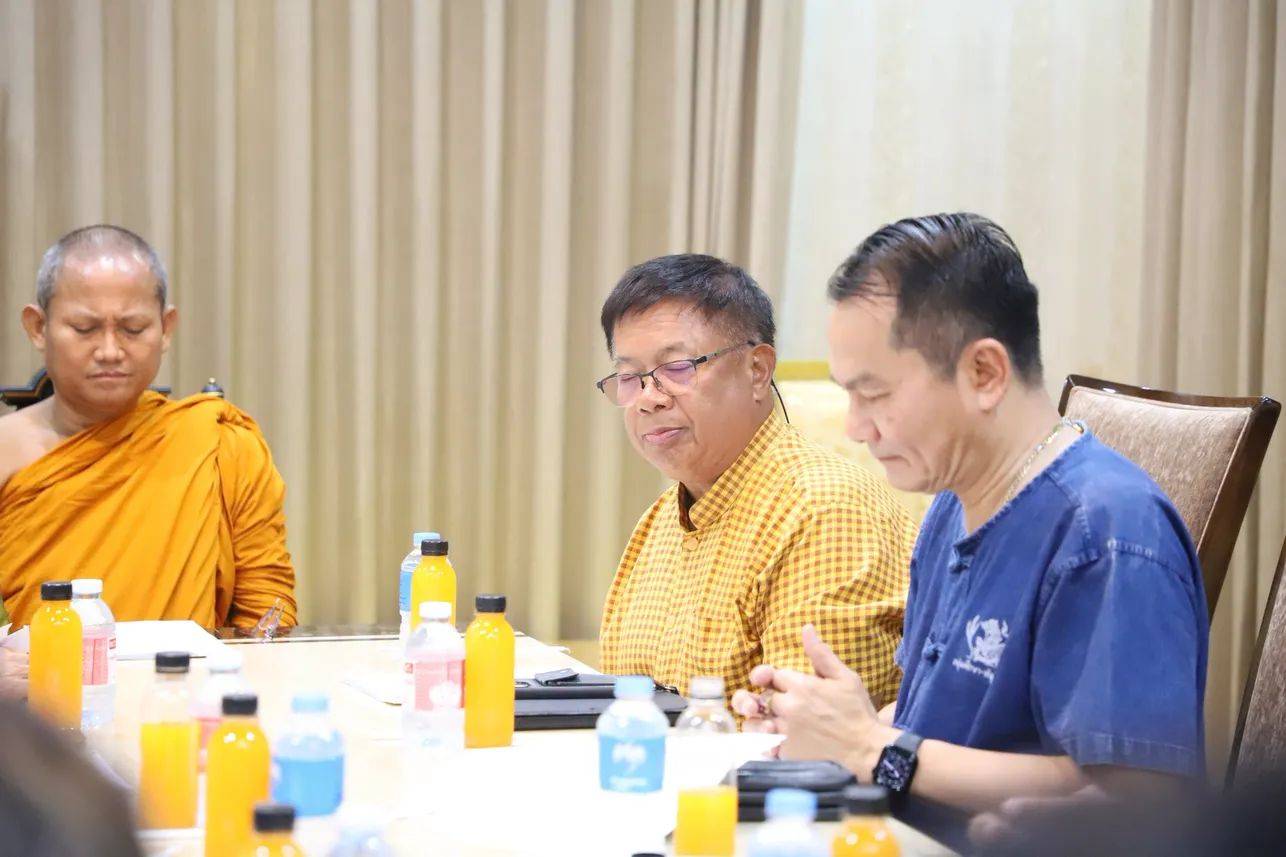
Ven. Phra Methivorayan, Deputy Ecclesiastical Regional Governor of Region 10 and Chairman of the Executive Board of the Bodhigayavijjalaya Institute, proposed using the word Dhamma in a broader sense, such as Universal Mindfulness or the Science of Peace, instead of the word Buddhism. This is to transcend religious dimensions and reach out to all of humanity worldwide. He also proposed utilizing a Dhamma Network by bringing in international monks who are disciples of Luang Pu Chah Subhatto - a renowned Vipassana meditation master from Ubon Ratchathani with a global following - to act as intermediaries in communicating for peace.
Asst. Prof. Dr. Piyanat Sroikham, Assistant to the President of Ubon Ratchathani University, along with his team, presented a storytelling approach that is both an art and a science. It weaves together the prominent features of Ubon Ratchathani into an engaging narrative through the 7 Days, 7 Elements activities. Examples include the first light as the origin of life and civilization (Pha Taem); the birth of the city during the era of Chao Kham Phong establishing the town; the land of Dhamma; the city of great masters and the world's meditation center; and present-day Ubon Ratchathani, which has economic potential in wellness tourism.
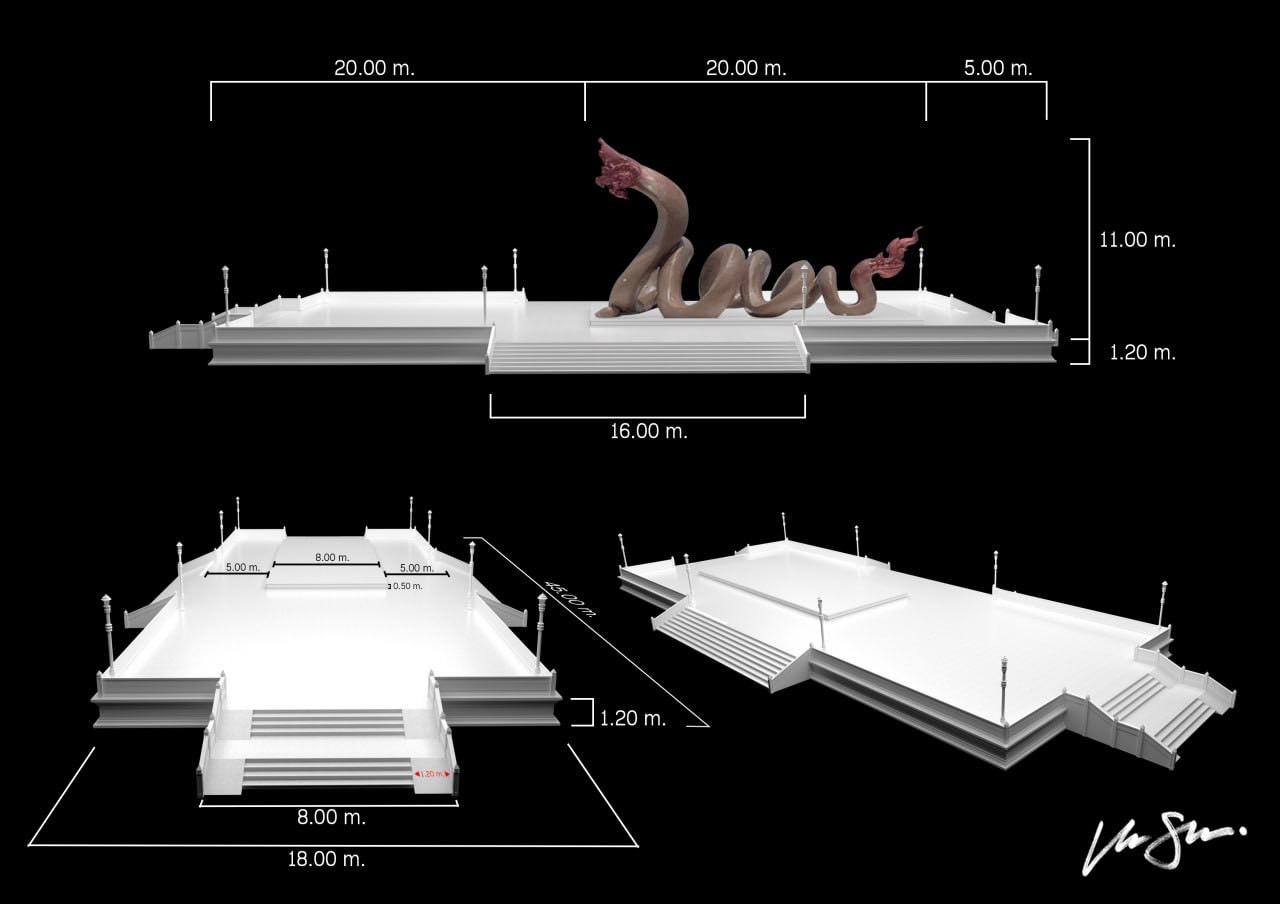
Furthermore, the meeting was briefed on the construction project of the Sri Verapuchong Khongkha Nakharat (Naga statue) at Wat Khong Chiam. This serves as another significant landmark connecting faith, beliefs, and cultural tourism. The briefing also covered the development vision for the Origin City of the Great Naga and Dhamma, spanning from the great Ganges River to the Mekong River basin, aiming to create a new dimension that seamlessly integrates cultural tourism with religious learning.
Conclusion: Elevating Ubon Ratchathani from "Rituals" to the "Core of Dhamma" and Creating Added Economic Value
Elevating Ubon Ratchathani from a city renowned for its local traditions to becoming the World Meditation City represents a significant strategic shift for Thailand. Through the integration of multiple sectors, this marks a transition from organizing ritual-based events to presenting the core essence of Dhamma. This initiative aims to respond to global trends and the needs of the world's population, who are yearning for spiritual and intellectual well-being as well as peace (Geopolitics of Peace).
The primary objective of integrating the 2026 Candle Festival with the World Meditation City concept is to create soft power that utilizes "Mindfulness" as a universal language. This aims to attract high-purchasing-power travelers, such as wellness tourists from around the world. This initiative has a long-term goal of positioning Ubon Ratchathani as a global model meditation city. By leveraging its strong cultural capital as a foundation, it seeks to create added value both economically and through cultural diplomacy, ultimately achieving sustainability from the local to the international level.